


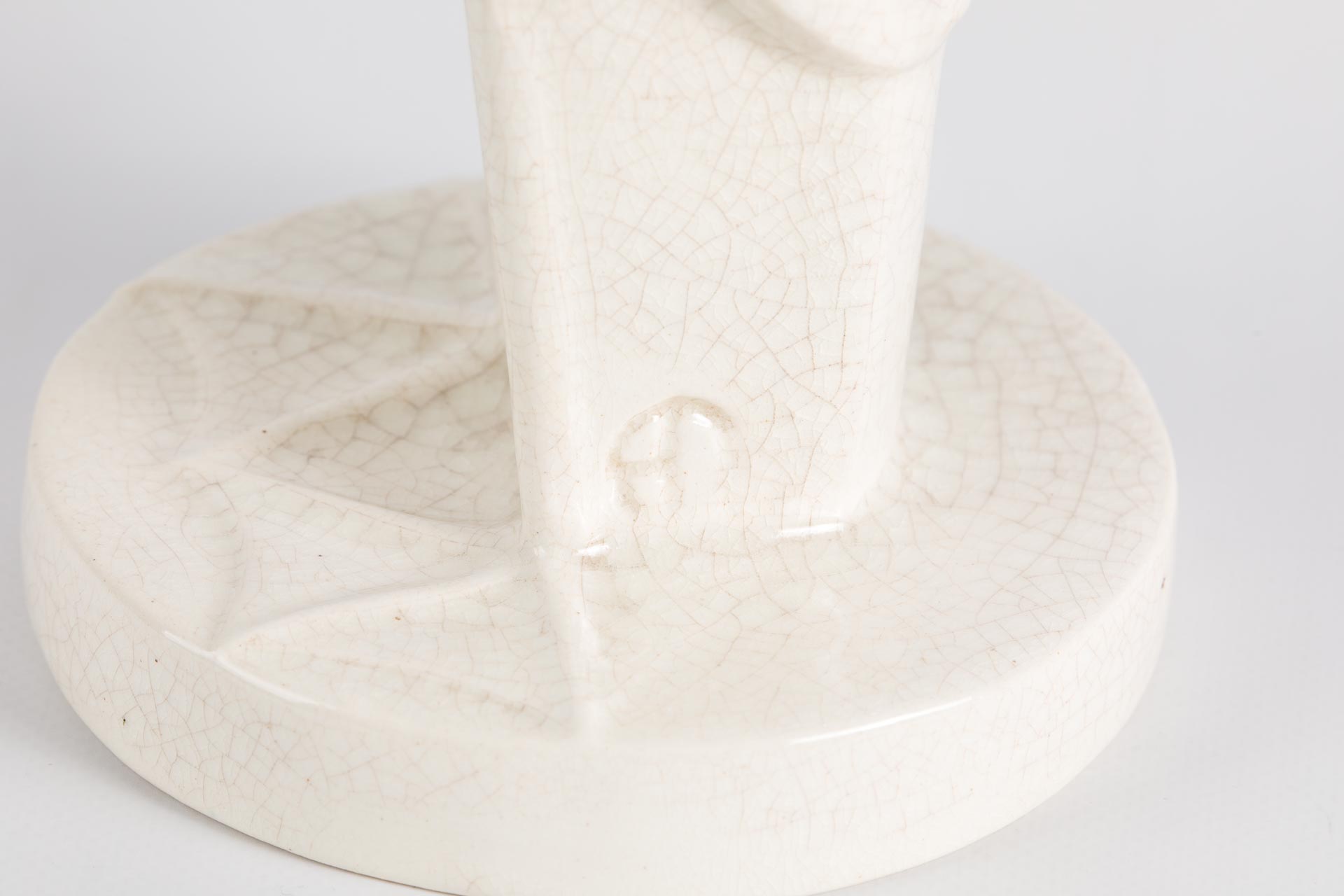

White Craquelé Marabou
$2,995.00
Available
The White Craquelé Marabou, designed by Albert David and produced by the Sainte Radegonde factory for Primavera, is an exquisite representation of early 20th-century French ceramic art. Originating from the 1920s, this piece captures the elegance and style of its era with its striking depiction of a marabou stork, notable for its massive bill and distinctive neck pouch. The ceramic sculpture is finished with a unique craquelé glaze, creating a network of fine cracks that enhances its visual appeal and reflects the popular design aesthetics of the time. The piece is an exemplary work of the Primavera art workshop, associated with the renowned department store Le Printemps in Paris.
Condition Report
This White Craquelé Marabou remains in very good condition, with minimal signs of age and wear consistent with its vintage. The craquelé glaze, a defining characteristic of this piece, is intact and exhibits the delicate network of cracks typical of such finishes. There is no significant damage or restoration observed, maintaining its authenticity and historical value. The surface shows minor scuffs, which are expected in ceramics of this age, but these do not detract from the overall presentation and aesthetic quality of the piece. The sculpture stands firmly without any visible chips, cracks, or repairs, making it an excellent acquisition for collectors and enthusiasts of early 20th-century ceramics.
Dimensions
Weight: 1601gm, Length: 12cm, Width: 12cm, Height: 39.5cm.
A Decorative Piece for the Home
This ceramic sculpture was likely intended as a decorative item, enhancing the aesthetic of domestic interiors. During the 1920s, such pieces were popular fixtures in the homes of those who appreciated art and design, often displayed prominently to showcase refined taste. The marabou stork's elegant form and the unique craquelé finish would have served as a conversation starter and a testament to the owner's appreciation for contemporary artistry and craftsmanship. As a result, it remains an appealing choice for those looking to integrate historical charm and artistic flair into their living spaces.
Art Deco Style and Influence
The White Craquelé Marabou is a fine example of Art Deco design, a style that emerged in the early 20th century characterized by its bold geometric patterns, vibrant colours, and luxurious materials. Although more subdued in colour, this piece captures the elegance and stylised forms typical of the Art Deco movement. The choice of a craquelé glaze adds a textured complexity that complements the sleek lines and sophisticated shape of the marabou stork. Such artistic details reflect the era's fascination with modernity and innovation, making this sculpture a significant representation of the period's aesthetic ideals.
The Craft of Ceramic Craquelé Glazing
The creation of the White Craquelé Marabou involved meticulous ceramic craftsmanship, particularly in the application of the craquelé glaze. This technique, which involves controlled cracking of the glaze surface, was a popular decorative feature in the early 20th century. It required precise firing conditions and expertise to achieve the desired effect without compromising the structural integrity of the piece. The craquelé finish adds a layer of visual interest and depth to the sculpture, highlighting the skill and artistry involved in its production. The Sainte Radegonde factory, known for its high-quality ceramics, would have employed skilled artisans to execute such intricate work.
Designed by Albert David
Albert David, the designer of this piece, was a notable figure associated with the Sainte Radegonde factory and the Primavera art workshop. His work often captured the essence of contemporary artistic movements, blending them with traditional craftsmanship to create unique and desirable objects. David’s designs were known for their attention to detail and innovative use of materials, making them highly sought after by collectors and aficionados of early 20th-century art. The White Craquelé Marabou is a testament to his creative vision and the collaborative efforts of the Sainte Radegonde factory and Primavera.
Adored by Collectors of Art Deco
Collectors of Art Deco and early 20th-century ceramics are often drawn to pieces like the White Craquelé Marabou for their historical significance and artistic merit. Such items offer a glimpse into the cultural and design trends of the period, appealing to those who appreciate the fusion of function and beauty. The association with Primavera and Le Printemps adds an additional layer of prestige, as these institutions were central to the promotion of modern art and design in France. As a result, the White Craquelé Marabou holds a place of esteem among collectors who value its historical context and the craftsmanship it represents.
Related products
-
Gallé Ceramic Vases
$4,500.00 -
Elephants by Sèvres
$1,675.00 -
Royal Worcester Art Nouveau Jardinere
$2,925.00 -
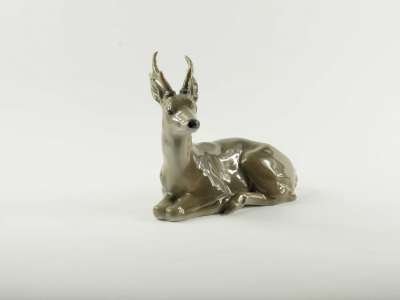
Royal Copenhagen Figurine of a Stag
$295.00 -
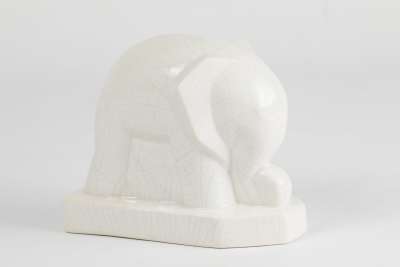
Craquelé Elephant
$0.00 -
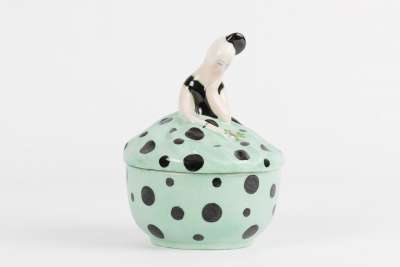
Robj Powder Box
$0.00 -
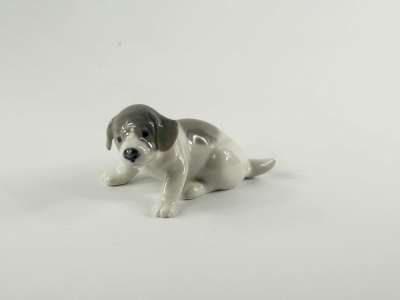
Royal Copenhagen Figurine of a Pointer Puppy
$275.00 -

White Craquelé Elephant
$0.00 -
A Royal Copenhagen Figurine of a Rabbit
$275.00 -
Spode Envelope Plate
$0.00 -
Craquelé Bulldog
$0.00 -
Ceramic Black Panther
$1,200.00