

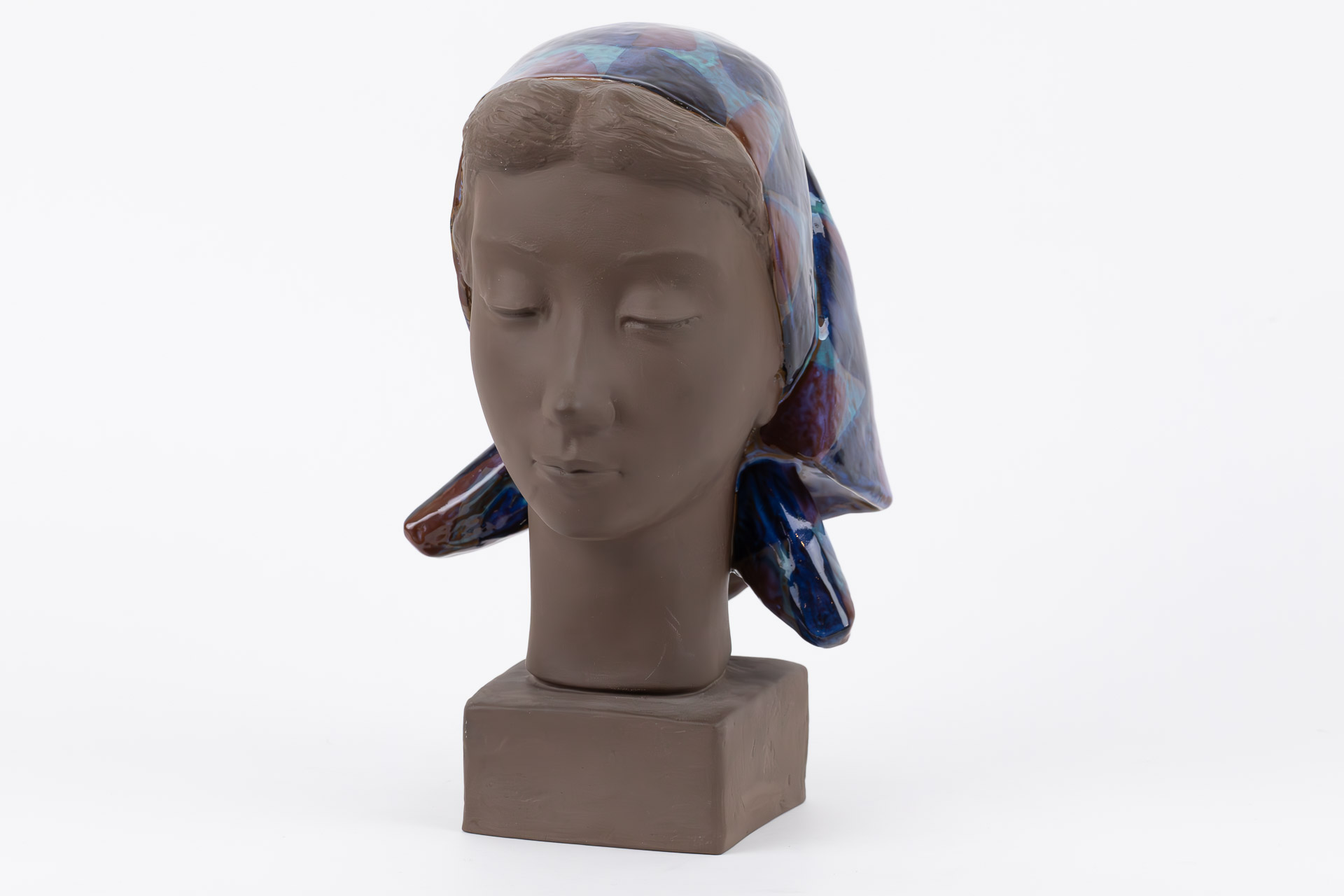


Royal Copenhagen Bust by Johannes Hedegaard
$1,995.00
1 Available
The Royal Copenhagen Bust by Johannes Hedegaard is a quintessential example of mid-20th-century Scandinavian ceramic artistry. Crafted in Denmark around 1960, this bust features the head of a woman in brown matt slip-covered pottery. The piece is adorned with a multicoloured scarf, elegantly tied behind the neck, and is marked on the underside with Hedegaard's signature, confirming its authenticity and origin. The serene facial expression is characteristic of Hedegaard's work, making this bust a notable representation of his style.
Condition Report
The Royal Copenhagen Bust by Johannes Hedegaard is in very good condition, showing minimal wear consistent with its age and previous use. The brown matt finish of the pottery remains intact, with no noticeable chips or cracks affecting its structure or appearance. The multicoloured scarf retains its vivid hues, with only slight signs of age-related fading. The marks and signature on the underside remain clear and legible, ensuring its provenance. Overall, this piece has been well-preserved, making it a valuable addition to any collection of mid-century Scandinavian ceramics.
Dimensions
Weight: 2.525gm, Length: 19cm, Width: 11cm, Height: 32cm.
A Decorative Accent for Interiors
This bust was originally intended as a decorative accent, ideal for placement on mantels, shelves, or side tables. Its serene expression and elegant form make it suitable for enhancing the sophistication of any interior space. Whether displayed in a living room, study, or hallway, this bust serves as a conversation starter and a testament to the artistry of Johannes Hedegaard.
Mid-Century Scandinavian Design
This bust exemplifies mid-century Scandinavian design, which emphasised simplicity, functionality, and natural forms. The piece reflects Hedegaard's ability to blend traditional craftsmanship with modern aesthetics, typical of the mid-20th century. The use of earthy tones and a serene expression is characteristic of this design period, highlighting harmony and balance. Collectors and enthusiasts of Scandinavian design will appreciate the subtle elegance and understated beauty that this bust represents.
The Craft of Ceramic Pottery
The creation of this bust involved expert craftsmanship in ceramic pottery, utilising the slip-casting technique for precision and detail. The brown matt finish is achieved through a careful application of slip, a liquid mixture of clay and water, which gives the bust its distinctive texture. The multicoloured scarf showcases Hedegaard's skill in applying glazes to achieve a subtle yet striking contrast. Each stage of the process required meticulous attention to detail to ensure the final product was both visually appealing and structurally sound.
Created by Johannes Hedegaard
Johannes Hedegaard, a renowned Danish artist and ceramicist, worked at Royal Copenhagen from 1948 to 1966. His pieces are celebrated for their expressive forms and innovative use of colour. Hedegaard's work often features figures with serene expressions, capturing a sense of calm and introspection. His signature style is evident in this bust, showcasing his ability to merge traditional techniques with contemporary design. Collectors of Hedegaard's work value his pieces for their artistry and historical significance.
Admired by Collectors of Mid-Century Ceramics
This bust is a sought-after piece for collectors of mid-century ceramics, particularly those interested in Scandinavian design. Its clear provenance, marked by the signature of Johannes Hedegaard, adds to its desirability. Collectors appreciate the bust's representation of mid-20th-century artistry, where functionality met elegance. The serene expression and refined craftsmanship make it a standout piece in any collection, appealing to those who value both historical context and artistic achievement.
Related products
-
Danseuses (Dancers)
$0.00 -
White Craquelé Cat
$0.00 -
Ceramic Black Panther
$1,200.00 -
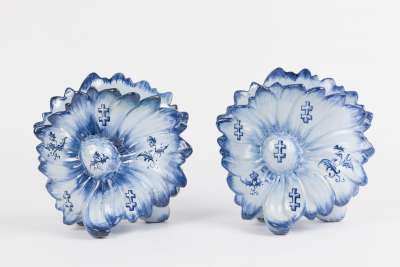
Gallé Ceramic Vases
$4,500.00 -
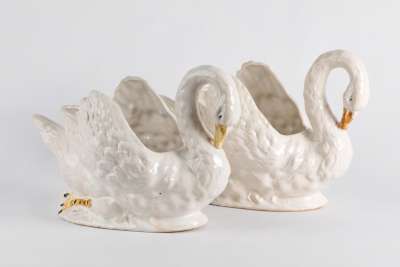
Ceramic Swan Planters
$0.00 -
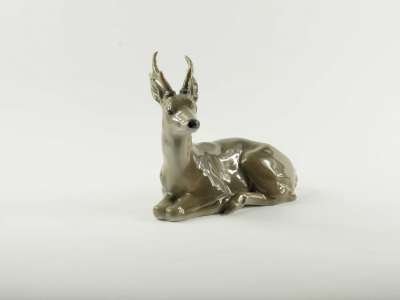
Royal Copenhagen Figurine of a Stag
$295.00 -
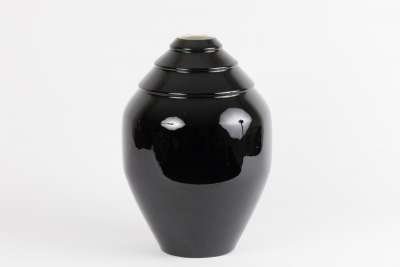
Boch Vase
$0.00 -
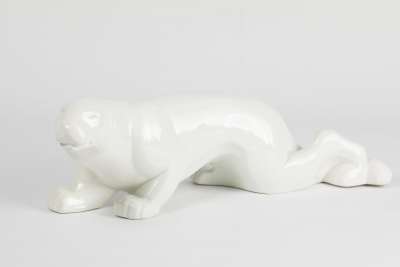
Craquelé Panther
$0.00 -
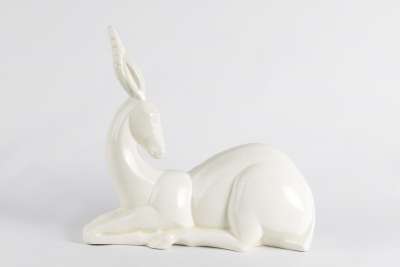
White Craquelé Gazelle
$0.00 -
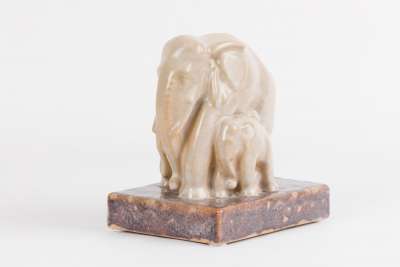
Elephants by Sèvres
$1,675.00 -
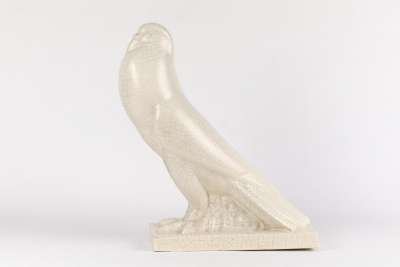
French Art Deco Craquele Pigeon
$0.00 -
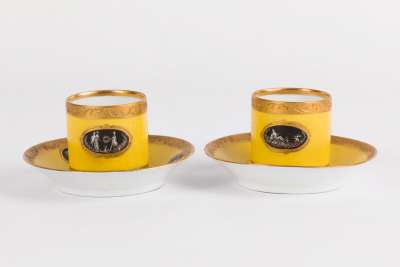
Demitasse Cup & Saucers
$0.00